The word “diet” on a snack packet does not tell you whether it is low in calories, fat, sugar, sodium or carbohydrates. By checking preparation, nutrition facts, ingredients, allergens and portion size, you can choose a snack that fits your actual diet rather than trusting the product name.
Key takeaways
- Check ingredients, nutrition facts, allergens and serving size before buying.
- Choose roasted, unsalted snacks for lower-oil and portion-controlled eating.
- For diabetes, compare total carbohydrates and added sugar per serving.
- Ask Ghatkopar shops about ingredients, batch details, freshness and cross-contact.
What the word “diet” does—and does not—tell you
The word “diet” does not prove that a snack is low in calories, fat, sugar, salt, or carbohydrates.
For someone searching for diet navratan mix for snacks in Ghatkopar, check the preparation first: roasted usually means less cooking oil than fried, but nuts, coconut, seeds, raisins, cereal and added sugar can still make the mix energy-dense.
Compare the pack or shop label using these figures per 100 g and per stated serving:
- Energy, to judge calories rather than trusting the word “diet”.
- Total fat and saturated fat, especially when the mix contains nuts, seeds or fried sev.
- Carbohydrate and total or added sugars, important for diabetes management.
- Protein and fibre, which indicate whether the snack offers lasting nourishment.
- Sodium or salt, because a small salty serving can contribute heavily to daily intake.
- Serving size, since a handful may be far larger than the printed portion.
- Ingredients such as refined flour, rice flakes, potato, gram flour, raisins and sugar-coated pieces.
- Allergens and dairy ingredients, including peanuts, tree nuts, milk powder, whey, casein, butter or ghee.
“Navratan mix” is a recipe name, not a nutrition standard. Choose a measured portion only after checking the actual label; for a medical diet, match its carbohydrate, salt or allergen content to your prescribed limits. “Vegetarian” does not mean vegan.
Which snacks fit low-oil, high-protein and weight-management goals?
For low-oil, high-protein and weight control, compare preparation, protein, energy and portion size—not the word “diet.” A healthy snack mix in Ghatkopar can still be calorie-dense if it contains sev, boondi, peanuts, nuts, coconut, raisins or added sugar.
| Option | Best feature | Main watch-out |
|---|---|---|
| Roasted pulses | Strongest everyday protein choice; usually little cooking oil | Salt and portion size |
| Makhana | Light, low-oil option when dry-roasted | Low protein; flavoured versions can add oil and salt |
| Fresh fruit | Low energy density and useful fibre | Not a high-protein snack |
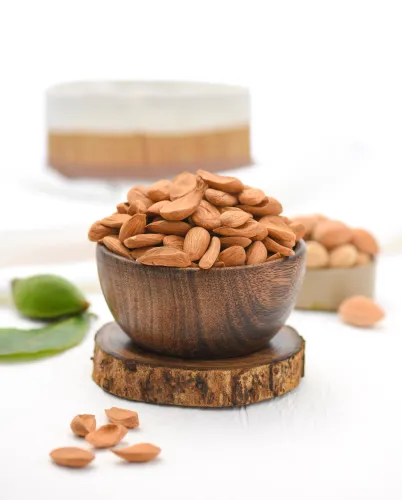
| Unsalted nuts | Protein, fibre and filling fats | Energy-dense; measure a small portion |
| Snack mix | Convenient variety and some protein | Fried components, salt, sugar and nuts can raise calories |
| Wafers | Convenient and crisp | Usually high in refined starch, fat and salt; poor protein |
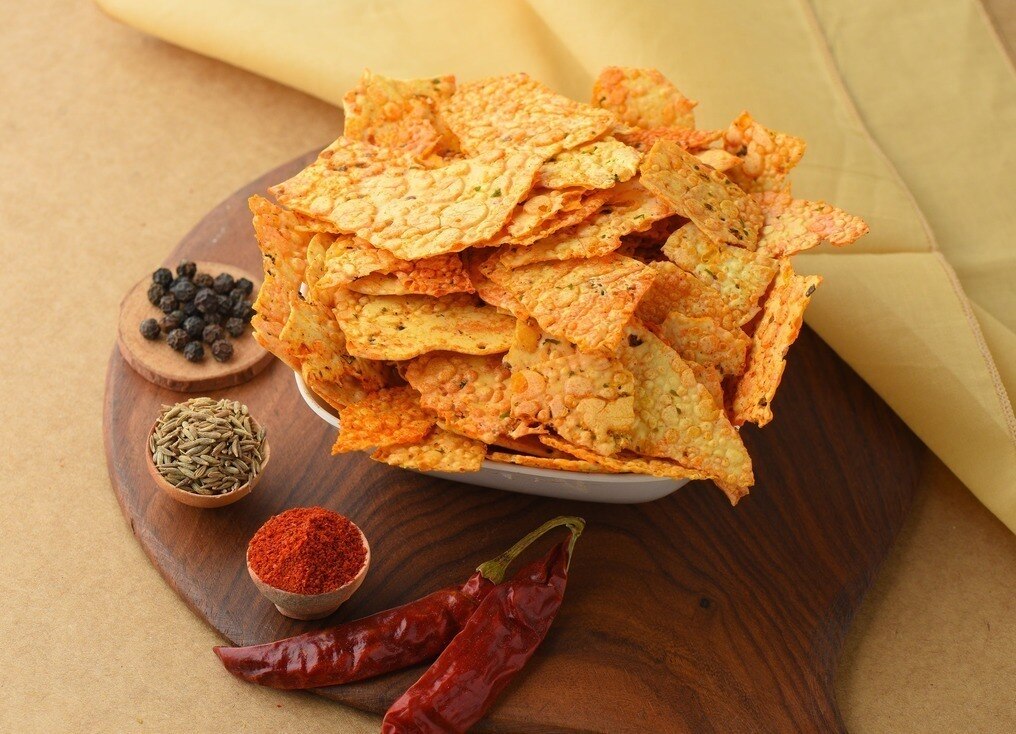
| Baked savoury snacks | Often less oil than fried versions | “Baked” does not mean low-calorie; check fat, salt and flour |
Compare nutrition declarations per 100 g for energy, total fat, saturated fat, carbohydrate, total sugars, protein, fibre and sodium or salt. Then check the actual serving: a large handful can turn a modest-looking snack into a high-energy one.
For a weight-management routine, portion roasted pulses or fruit into a bowl instead of eating from a loose bag. Pair fruit with measured nuts or roasted pulses for better protein balance.
Treat navratan mix as a recipe, not a health category: “roasted” reduces cooking oil but does not cancel calories from nuts, starches or dried fruit.
How do diabetes, fasting, vegan and gluten-free needs change the choice?
Diabetes, fasting, vegan and gluten-free needs change the choice by making the ingredient list, carbohydrate, dairy, gluten and cooking method decisive—not the word “diet”.
| Dietary need | Check before buying | What can disqualify it |
|---|---|---|
| Diabetes | Total carbohydrate, added sugar, serving size and fibre | Raisins, sweetened fruit, sugar-coated pieces, potato, rice flakes or large cereal portions can raise carbohydrate. Count the actual serving. |
| Fasting | Whether the recipe follows your observance, including permitted grains, pulses, salt and preparation | Wheat, rice, common lentils, onion or garlic may be excluded by some fasting practices. Confirm whether sendha namak, peanuts, sabudana or dairy fit your rules. |
| Vegan | Ghee, butter, milk powder, milk solids, whey and casein in the mix or seasoning | “Vegetarian” excludes meat and egg, not dairy. A vegan choice needs a dairy-free ingredient and allergen check. |
| Gluten-free | Wheat, maida, semolina, malt and seasoning ingredients, plus handling | Besan or rice as the base does not prevent wheat cross-contact. Loose snacks packed beside wheat-containing farsan need a clear handling answer or a packaged gluten-free claim. |
A product called “navratan mix for diet” has no standard nutrition meaning. Check:
- Ingredient order: fried cereal, sev, boondi, oil, nuts, coconut, seeds and added sugar reveal what the name hides.
- Preparation: roasted means a cooking method, not low fat or low calorie; compare total fat and saturated fat.
- Fasting preparation: ask whether the same oil, pan or fryer handles non-permitted ingredients.
- Allergy information: identify peanuts, cashews and other nuts before choosing a loose snack.
How can you control portions in sweet-and-salty snack mixes?
Serve about 25–30 g of a sweet-and-salty mix—roughly a small cupped handful—in a bowl, then put the packet away. This portion gives you a repeatable limit; eating from a large loose bag makes a second and third serving easy to miss.
The mix becomes energy-dense because each ingredient contributes concentrated calories:
- Nuts and seeds contain useful protein, fibre and unsaturated fat, but their low water content packs substantial energy into a small weight.
- Dried fruit has had most of its water removed, so raisins or chopped dates concentrate their natural sugar. Sugar-coated fruit adds still more.
- Sev, boondi, fried lentils and potato pieces absorb oil during cooking, adding fat without adding much volume.
- Coconut, cashews, peanuts and sweetened ingredients can raise calories even when the packet says roasted or “diet.”
Check the nutrition panel per 100 g, then calculate the amount in your bowl. Record energy, total fat, saturated fat, carbohydrate, total sugars, protein, sodium and fibre; a listed serving may be smaller than the portion you actually eat.
For better control, buy a small sealed pack or divide a larger pack into 25–30 g containers. A measured portion of unsalted nuts or roasted pulses with fresh fruit usually gives more volume and less added sugar than a large navratan mix.
What should you ask a Ghatkopar food shop before buying?
Ask for evidence, not reassurance: a “diet” name does not confirm low calories, safe allergens or suitable preparation.
1. For a loose snack, ask to see the ingredient list used for that batch. Confirm refined flour, oil, sugar, milk, ghee, butter, whey, casein, milk powder, peanuts, tree nuts, sesame, raisins and seasoning ingredients. Ask whether onion, garlic or potato is present if you follow Jain rules.
2. Ask where the snack was fried, roasted or mixed, and whether the same utensils, fryer or packing surface handle wheat, peanuts, milk or sesame. Removing a visible nut does not remove cross-contact risk. Besan- or rice-based mixtures are not automatically gluten-free.
3. If you are vegan, check every seasoning for dairy ingredients; “vegetarian” excludes meat and egg but not milk. Ask for a clear answer before buying, especially from an open container.
4. For a sealed pack, read the ingredients, allergen statement, serving size, calories, total fat, saturated fat, carbohydrate, added sugar, protein, sodium and fibre. Also check the batch number, packed date, best-before date, net quantity, storage instructions and an intact seal.
5. Ask how recently a loose snack was prepared and how it has been stored. Reject stale odour, softened crunch, rancid-tasting nuts, dampness or an unclear date.
Before you buy diet snacks in ghatkopar, Sujyoti Foods LLP can be asked to compare a sealed option with a loose one; choose the sealed pack when allergy or nutrition verification matters most.
Related products
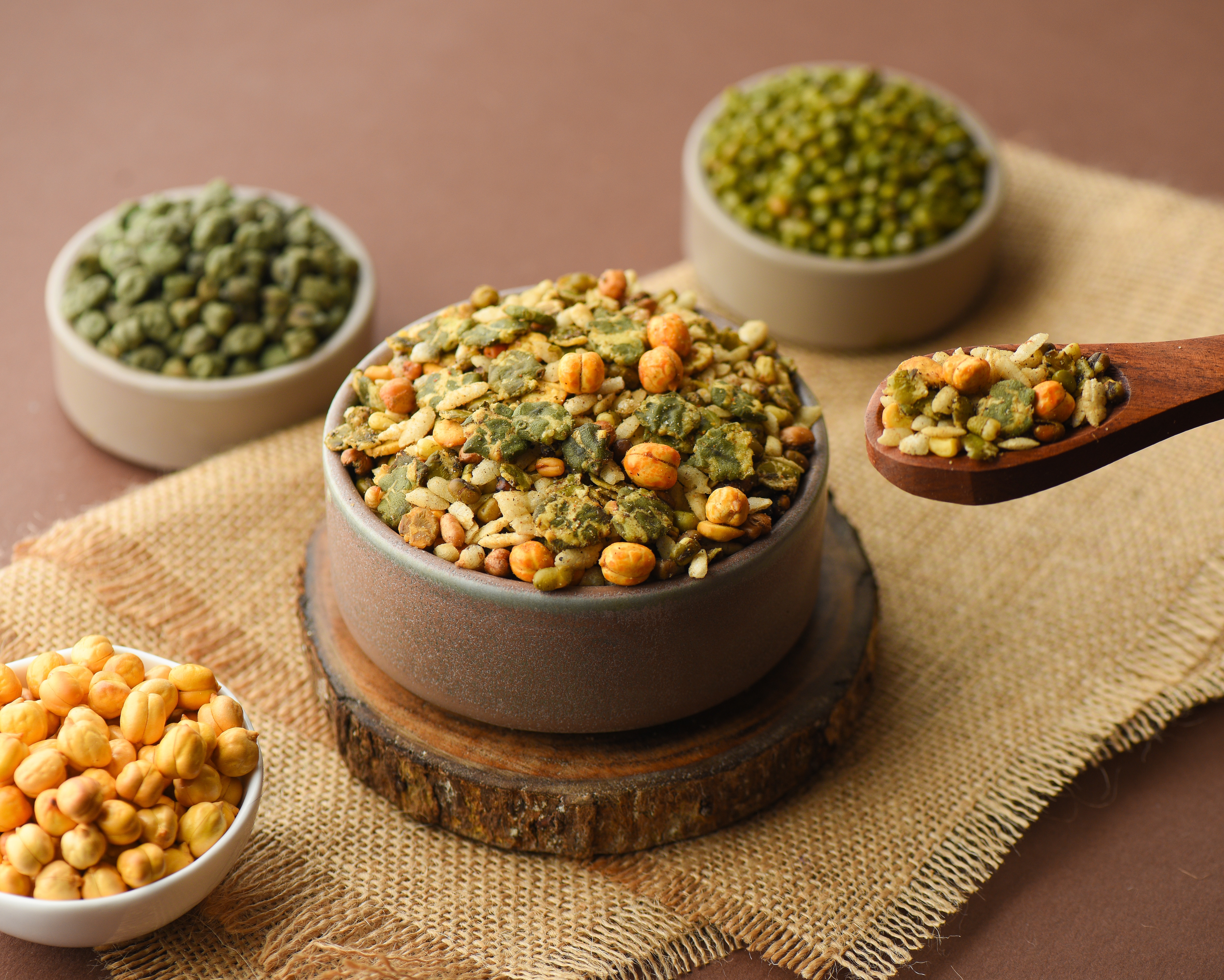 | Snacks Diet Navratan Mix is full pack of nutrients that are beneficial for your health. View product → |
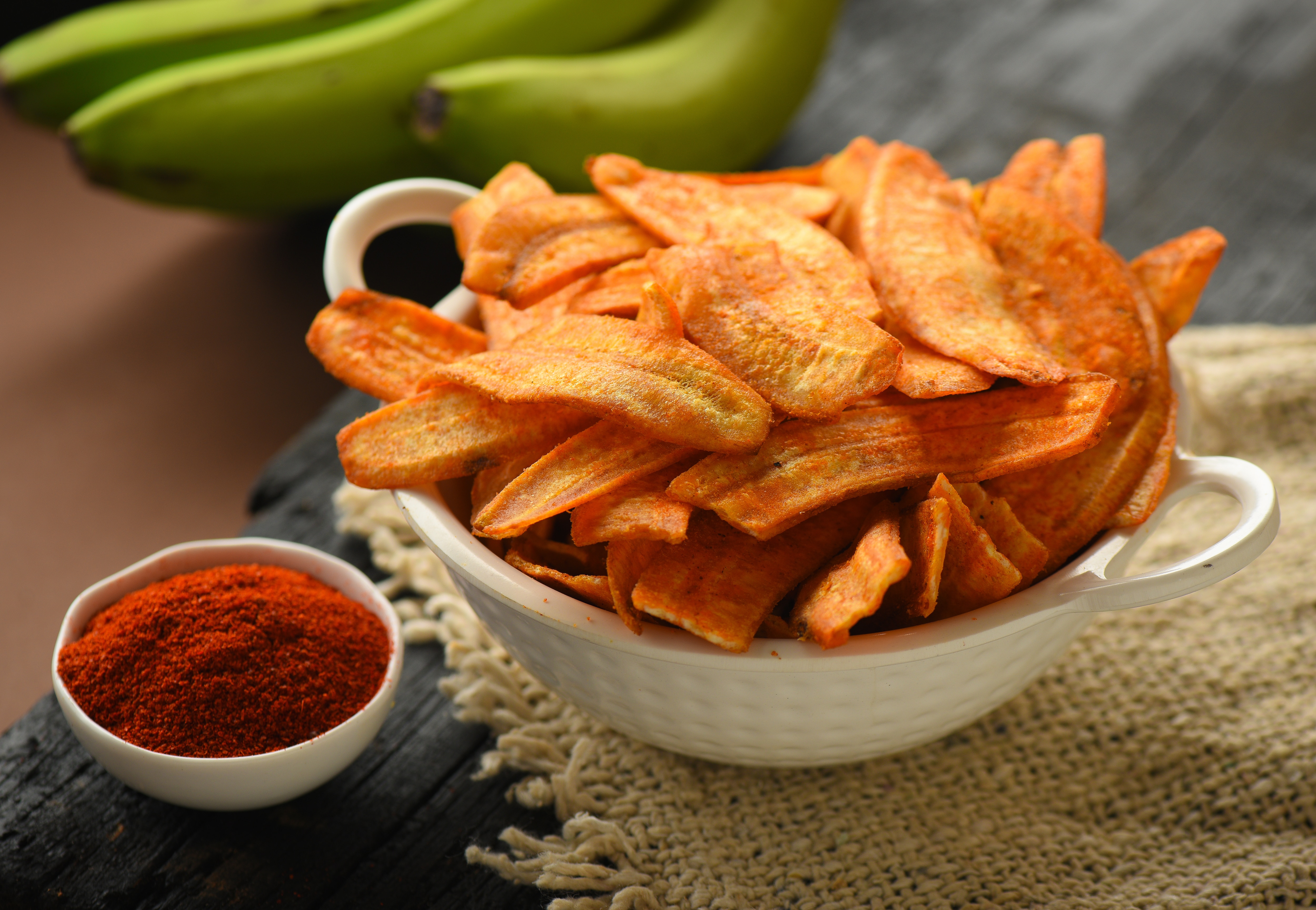 | Snacks Masala Kela Wafer is an ideal exotic snack that you can eat any time of the day. Its fusion of masalas caters to your craving and taste buds. View product → |
Frequently asked questions
Does “diet” on a snack pack mean it is low in calories or sugar?
No. The word “diet” does not prove that a snack is low in calories, fat, sugar, salt or carbohydrates. Check the nutrition panel and ingredient list.
Which snacks suit low-oil, high-protein and weight-management goals?
Choose roasted legumes, unsalted nuts and measured portions of dry-fruit or snack mixes. Compare protein, total fat, sodium and calories per serving rather than relying on the word “healthy”.
How do diabetes, fasting, vegan and gluten-free needs change snack choices?
For diabetes, check total carbohydrates and added sugar. For fasting, confirm the permitted ingredients. For vegan diets, avoid dairy, ghee and honey. For gluten-free diets, check for wheat, barley, rye and cross-contact.
How can you control portions in sweet-and-salty snack mixes?
Read the serving size, measure one portion into a bowl and do not eat directly from the packet. Compare sugar, sodium, calories and total fat before choosing a mix.
What should you ask a Ghatkopar food shop before buying snacks?
Ask about ingredients, allergens, frying oil, added sugar, salt, batch number, packing date, shelf life and preparation equipment. For fasting or strict diets, ask about cross-contact.
Related products
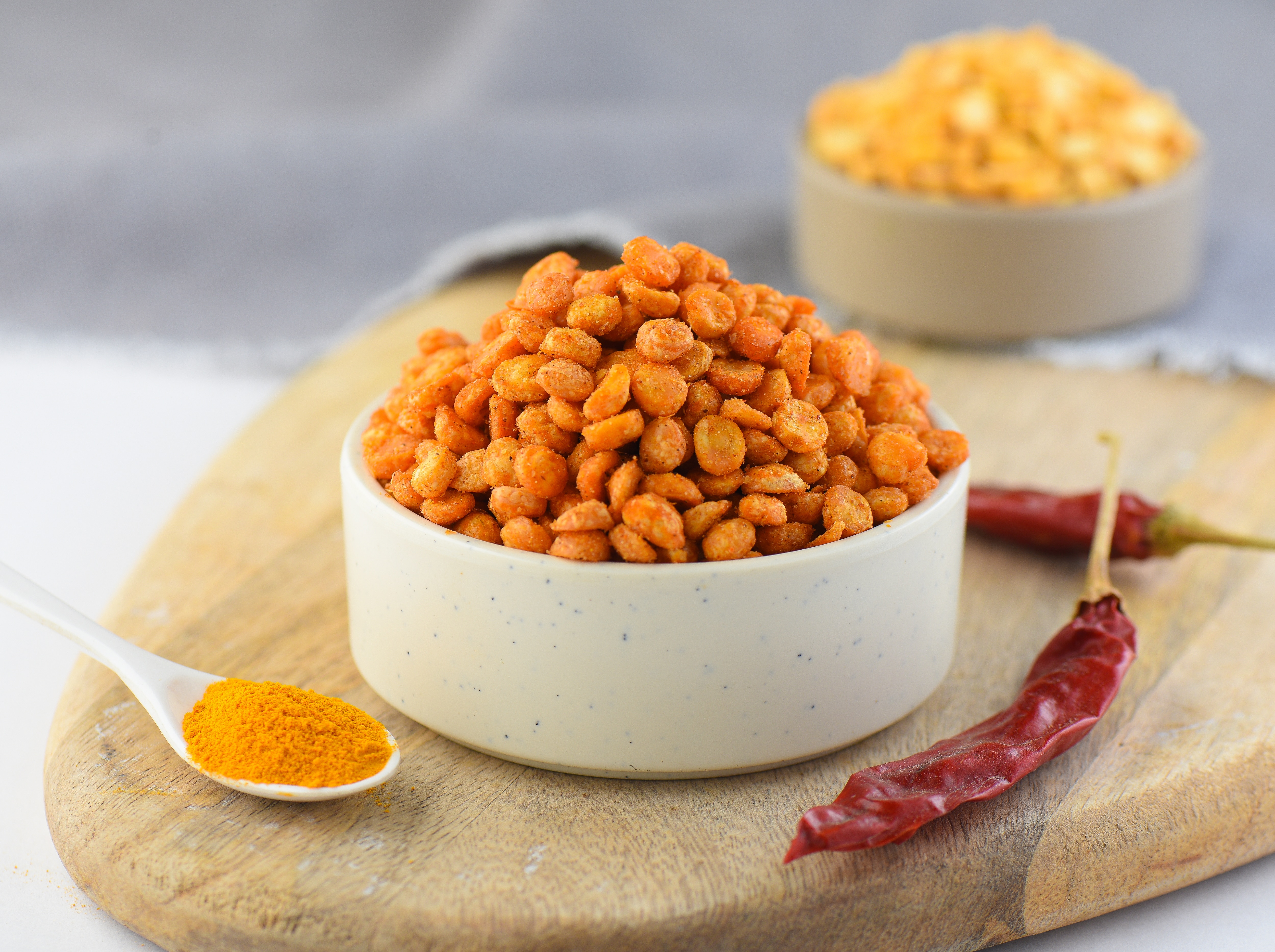 | Snacks Diet chana dal is a light snack to munch along with tea. It is a combination of chana dal and exotic spices. View product → |
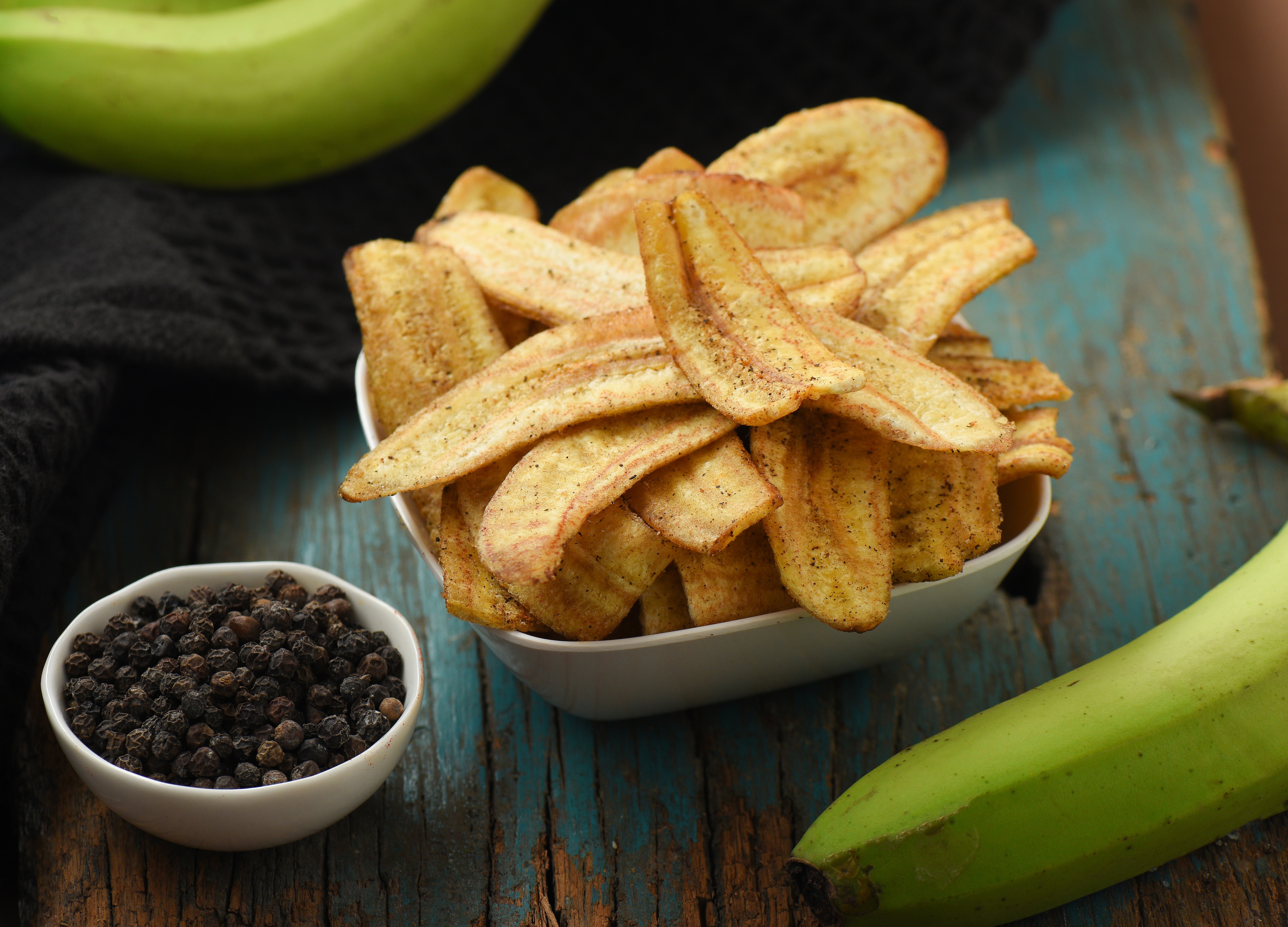 | Snacks Farshan, Gujarthi Fasting Snacks View product → |
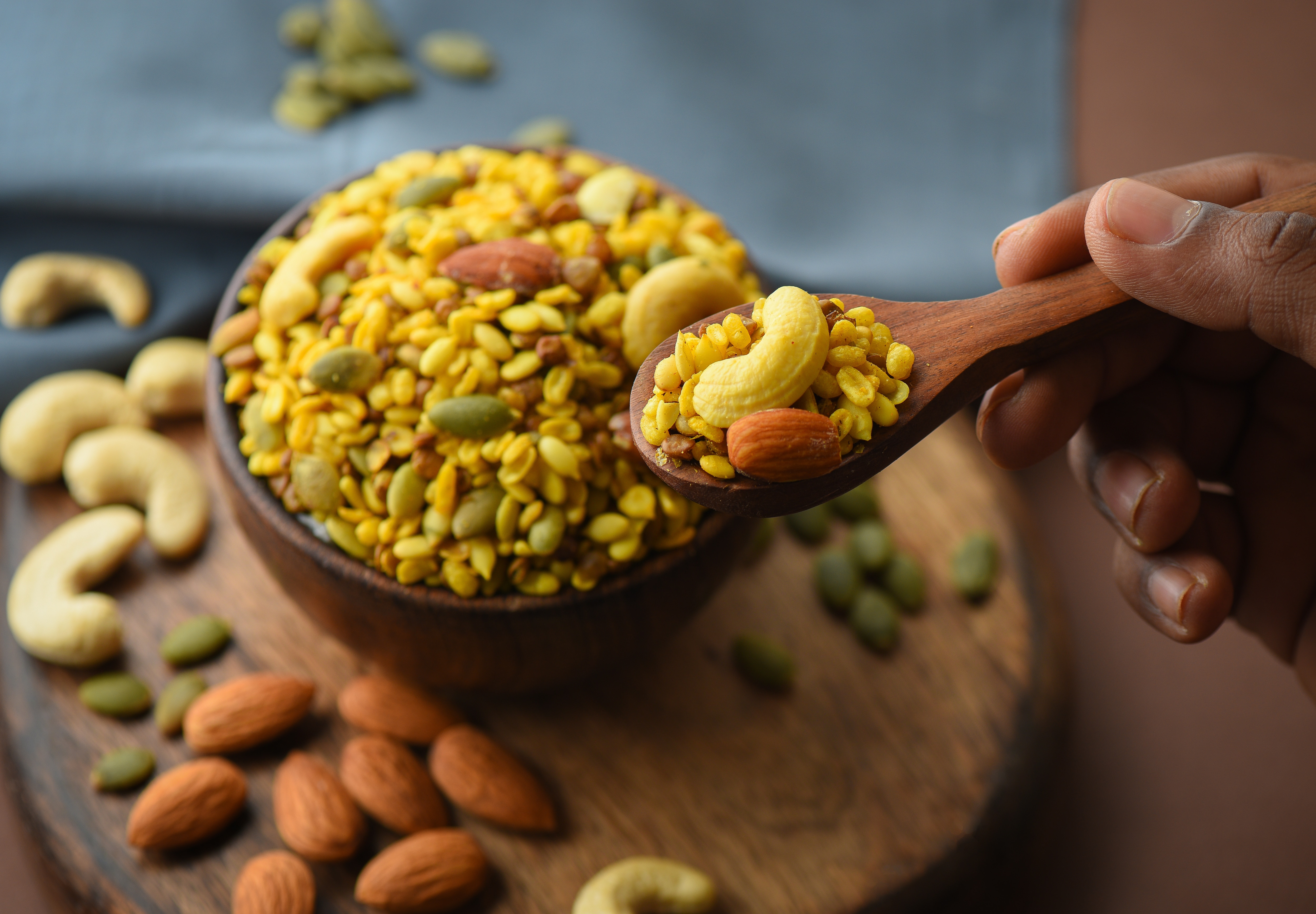 | Snacks Kashmiri Dalmooth is a mixture of different types of seeds and dals. View product → |
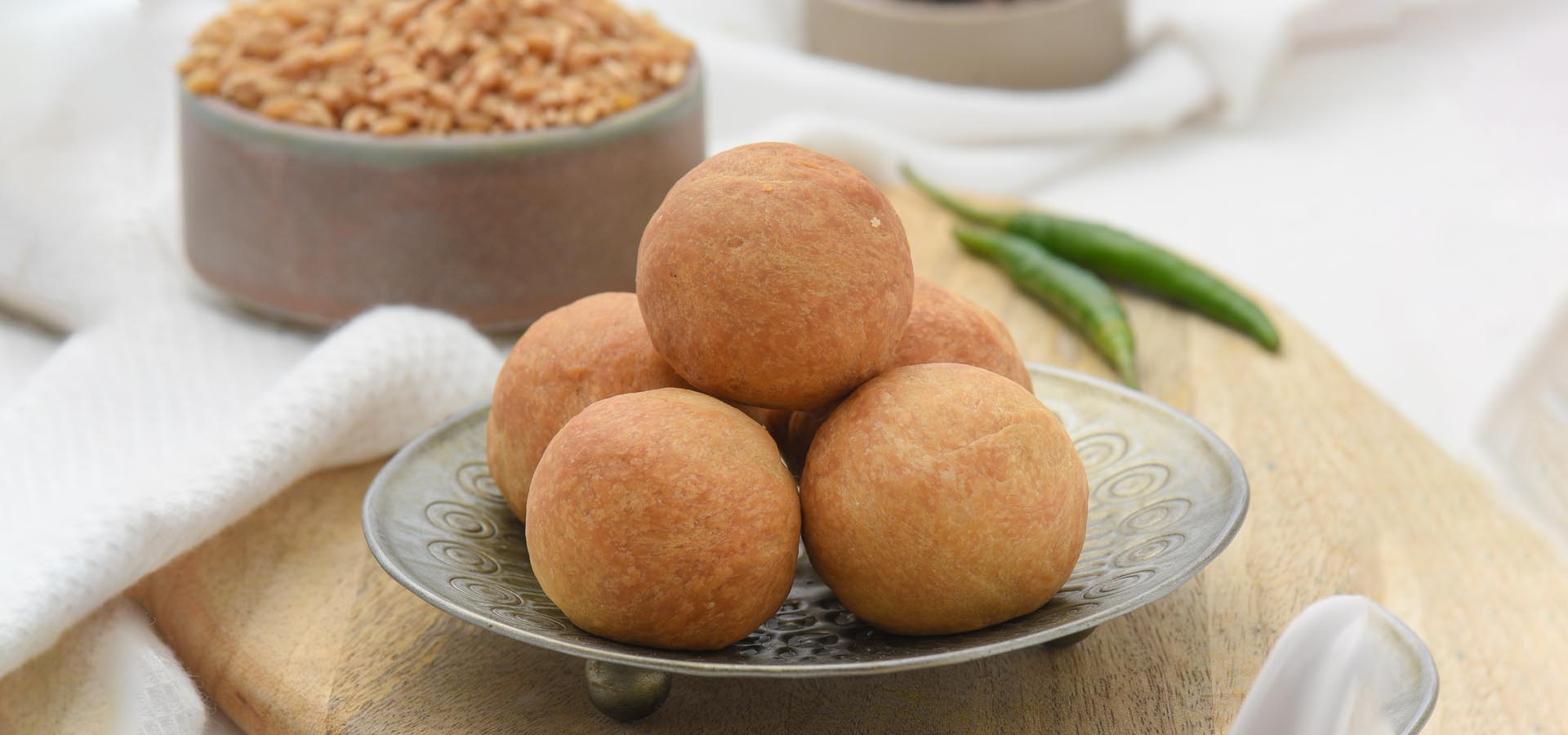 | Snacks Baked Kachori are a delight and tasty snack. This snack is usually a round flattened ball made of fine flour filled with a stuffing of urad dal. View product → |